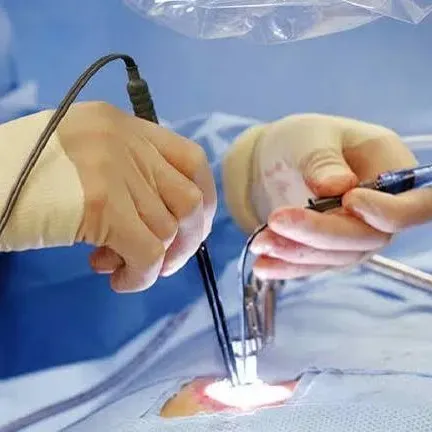
Neurosurgery often involves operating around structures responsible for movement, sensation, speech, vision, and other critical neurological functions. In selected procedures, surgeons use magnification and specialized microsurgical instruments to work within these delicate anatomical areas.
A Microsurgery Neurosurgeon may use these techniques when precise visualization and controlled dissection are important for the condition being treated.
For patients in Laxmangarh considering treatment for a complex brain, nerve, or spine condition, understanding what microsurgery means can make surgical discussions more meaningful.
What Does Microsurgery Mean in Neurosurgery?
Microsurgery refers to surgical techniques performed with enhanced magnification and specialized instruments.
The objective is to provide detailed visualization of small anatomical structures and help the surgeon work precisely around nerves, blood vessels, and other important tissues.
It is a technique rather than a diagnosis or a single operation.
Where Can Microsurgical Techniques Be Relevant?
Depending on the condition and surgical plan, microsurgical principles may be used in selected procedures involving:
- Brain tumors
- Skull base lesions
- Certain vascular conditions
- Trigeminal neuralgia procedures
- Peripheral nerve conditions
- Disc surgery
- Spinal nerve decompression
- Other neurological lesions requiring detailed dissection
Whether microsurgery is appropriate depends entirely on the underlying pathology and anatomy.
Microsurgery Does Not Mean Minor Surgery
The word “micro” can sometimes create the impression that the operation itself is small or carries little risk.
That is not necessarily true.
A complex operation can still use microsurgical techniques. Surgical risk depends on factors such as the diagnosis, lesion location, nearby neurological structures, patient health, and extent of surgery.
Patients should therefore focus on the objective and risk profile of the actual procedure rather than the terminology alone.
Why Visualization Matters
Neural structures can be extremely delicate.
Magnification can help distinguish tissue planes and improve visualization of nerves, blood vessels, and surrounding structures during selected operations.
Specialized instruments may also assist surgeons when operating within narrow anatomical spaces.
However, technology remains only one part of surgical planning. Accurate diagnosis, knowledge of anatomy, appropriate patient selection, imaging interpretation, and postoperative management remain essential.
Questions to Ask Before Microsurgery
Patients considering a neurosurgical procedure should ask specific questions rather than simply whether microsurgery will be used.
Useful questions include:
- What exactly is the diagnosis?
- Why is surgery being recommended?
- What is the main objective of the procedure?
- Which neurological structures are close to the surgical area?
- What risks are specific to my condition?
- Are non-surgical alternatives available?
- What recovery should I realistically expect?
- Will additional treatment or rehabilitation be required?
Clear answers help patients understand what the technique contributes to their treatment.
Consider the Entire Treatment Plan
Surgical technique should never be considered separately from the overall care pathway.
For example, a patient with a brain lesion may need additional imaging, pathological diagnosis, follow-up scans, or other specialist treatment. A patient undergoing spine microsurgery may require rehabilitation and activity progression after the operation.
The procedure is one stage of a broader clinical plan.
Making an Informed Neurosurgical Choice
Patients in Laxmangarh who require assessment for conditions potentially involving microsurgical treatment can consult Dr. Deepak Bariya for neurosurgical evaluation.
The most important question is not whether an operation carries the label “microsurgery.” It is whether the proposed technique is appropriate for the diagnosed condition and whether its expected benefits justify its potential risks.
A well-planned neurosurgical decision begins with accurate diagnosis, careful imaging review, neurological examination, and a clear explanation of treatment alternatives. Microsurgical techniques can then be used where they offer meaningful anatomical or surgical advantages for the individual patient.
Keywords