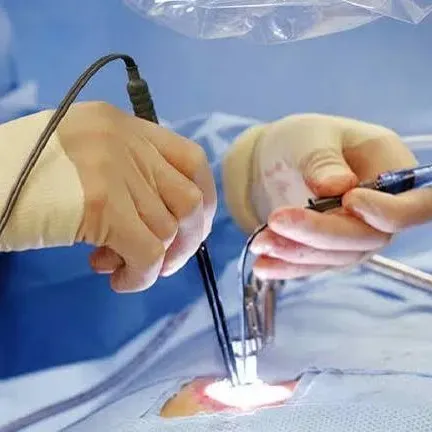
Head and spine injuries can range from relatively minor trauma to conditions that threaten brain, spinal cord, or nerve function. In serious cases, early neurological assessment is important because some complications may progress after the initial injury.
A Neuro Trauma Specialist evaluates injuries affecting the brain, skull, spine, spinal cord, and associated neurological structures.
For patients in Ratangarh, knowing which warning signs require urgent evaluation can help families respond appropriately after an accident or fall.
Head Injury Symptoms Can Change Over Time
A person may initially appear stable after a head injury but later develop neurological symptoms.
Warning signs can include:
- Increasing drowsiness
- Repeated vomiting
- Worsening headache
- Confusion
- Seizures
- Weakness
- Difficulty speaking
- Unequal pupils
- Loss of consciousness
These symptoms require prompt medical assessment.
Why Brain Imaging May Be Required
CT scanning is commonly used in acute head trauma when clinicians need to assess for skull fractures, bleeding, swelling, or other intracranial abnormalities.
The decision to obtain imaging depends on factors such as injury mechanism, symptoms, examination findings, age, and other clinical considerations.
When bleeding is identified, specialists evaluate its location, size, neurological effect, and whether pressure on the brain is developing.
Spine Trauma Needs Neurological Assessment
Spinal injuries require particular caution when patients develop weakness, numbness, severe neck or back pain, or changes in sensation after trauma.
The spinal cord and nerve roots can be affected by fractures, dislocations, disc injuries, bleeding, or other structural damage.
Until significant spinal injury has been excluded, inappropriate movement can sometimes create additional risk.
When Does Neuro Trauma Surgery Become Necessary?
Not every traumatic brain or spine injury requires an operation.
Some injuries can be observed with neurological monitoring, repeat imaging, medication, immobilization, or other appropriate management.
Surgery may be considered when there is clinically significant compression, unstable spinal injury, certain expanding intracranial collections, depressed fractures in selected circumstances, or another structural problem requiring intervention.
The urgency depends on neurological status and imaging findings.
Families Should Watch for Changes
After a patient has been assessed and discharged, caregivers should follow the treating medical team's instructions carefully.
Any deterioration in alertness, new weakness, repeated vomiting, seizure, confusion, or another concerning neurological change should prompt medical reassessment.
Similarly, after spine trauma, increasing limb weakness, numbness, or bladder and bowel changes require urgent attention.
Recovery Can Continue Beyond Hospital Treatment
Neurological trauma recovery does not necessarily end when the immediate injury has been stabilized.
Depending on the severity of the injury, patients may require physiotherapy, rehabilitation, neurological follow-up, cognitive rehabilitation, or repeat imaging.
Recovery varies considerably according to the structures injured and the extent of neurological damage.
Timely Specialist Assessment Matters
Patients requiring neurological trauma care in Ratangarh may be evaluated by Dr. Deepak Bariya for head and spine injuries requiring neurosurgical assessment.
In trauma care, the priority is not simply identifying whether a fracture or bleed exists. Specialists must determine whether neurological structures are threatened, whether the condition is stable, and whether intervention could prevent further deterioration.
After significant head or spine trauma, new neurological symptoms should never be dismissed solely because the patient initially appeared well.
Keywords