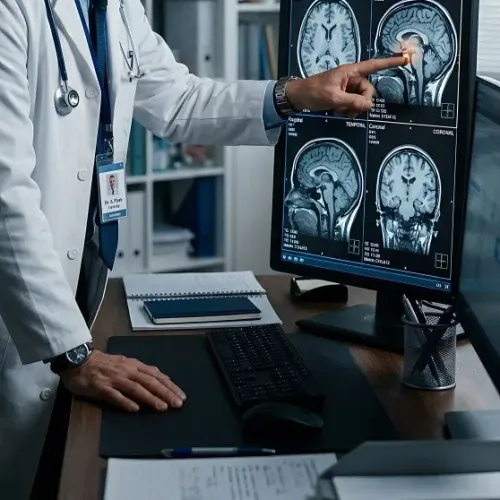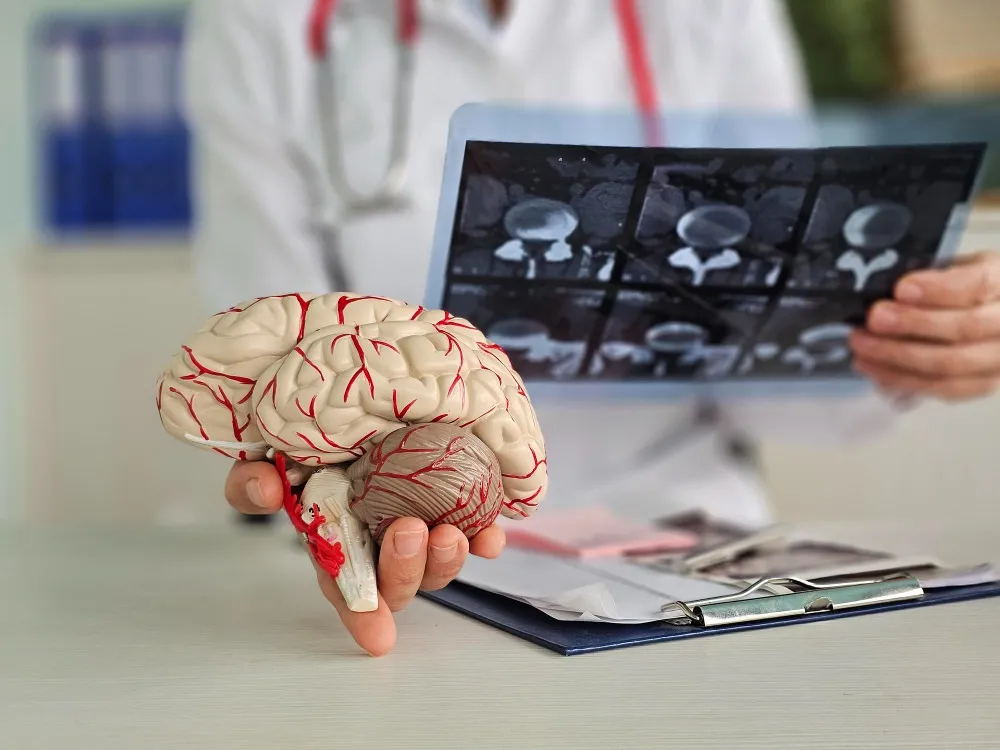
A brain aneurysm is a weakened area in the wall of a blood vessel that can form a balloon-like bulge. Some aneurysms are discovered incidentally during imaging performed for another reason, while others become apparent after bleeding occurs.
Being told that an aneurysm has been identified can create considerable anxiety. Consultation with a Brain Aneurysm Surgeon helps determine the characteristics of the aneurysm, its potential risk, and whether observation or treatment should be considered.
For patients and families in Sardarshahar, understanding the next steps is especially important.
Not Every Aneurysm Has the Same Risk
Management cannot be determined simply from the word “aneurysm.”
Specialists consider several factors, including:
- Size
- Location
- Shape
- Imaging characteristics
- Whether symptoms are present
- Whether previous bleeding has occurred
- Patient age
- General health
- Relevant medical and family history
These factors help guide individualized risk assessment.
Why Imaging Review Matters
Detailed vascular imaging helps specialists understand the anatomy of an aneurysm.
Depending on the situation, investigations can include CT angiography, MR angiography, catheter angiography, or other imaging selected by the treating team.
The exact relationship between the aneurysm and nearby blood vessels can influence treatment planning.
What Happens If an Aneurysm Has Ruptured?
A ruptured aneurysm can cause bleeding around the brain and is a medical emergency.
A sudden, extremely severe headache may be a warning symptom, particularly when accompanied by vomiting, loss of consciousness, neck stiffness, seizures, confusion, or neurological weakness.
Emergency medical evaluation is necessary when such symptoms occur.
What About an Unruptured Aneurysm?
An unruptured aneurysm creates a different decision-making problem.
Some aneurysms may be monitored with follow-up imaging when the estimated treatment risk outweighs the anticipated risk posed by the aneurysm.
Others may require treatment based on their characteristics and the patient's individual circumstances.
This is why two people with brain aneurysms may receive very different recommendations.
Understanding Treatment Options
Management can involve observation or an intervention intended to reduce the risk associated with the aneurysm.
The appropriate approach depends heavily on vascular anatomy and individual risk.
Patients should ask:
- What is the aneurysm's size and location?
- What factors affect its estimated risk?
- Is monitoring reasonable?
- What treatment options are appropriate?
- What are the risks associated with treatment?
- What follow-up imaging will be required?
These discussions are particularly important for an aneurysm discovered incidentally.
Second Opinions Can Help With Complex Decisions
Because treatment decisions can involve balancing the natural risk of an aneurysm against procedural risks, seeking another specialist opinion may be useful in selected cases.
Patients should bring the actual vascular imaging whenever possible.
Dr. Deepak Bariya provides neurosurgical assessment for patients from Sardarshahar who require evaluation of brain and neurological conditions, including vascular abnormalities where appropriate specialist planning is needed.
A brain aneurysm diagnosis should lead to careful assessment rather than assumptions about immediate surgery. Understanding its anatomy, clinical context, and individual risk profile provides the foundation for deciding whether observation, further investigation, or intervention is the most appropriate next step.
Keywords