Spine tumours are uncommon but can have a significant impact on mobility, nerve function, and overall quality of life. They may develop within the spinal cord, surrounding tissues, or spread from cancers located elsewhere in the body.
If you're looking for the best spine tumour surgeon in Jaipur, understanding the condition and available treatment options can help reduce uncertainty during diagnosis.
What Is a Spine Tumour?
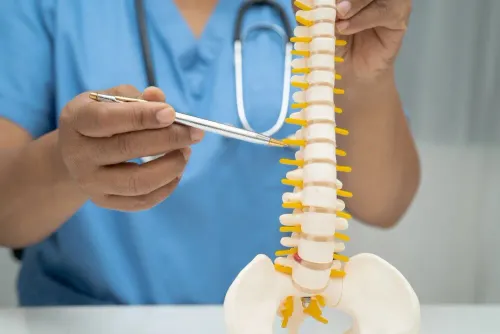
A spine tumour is an abnormal growth affecting the vertebrae, spinal cord, or nearby structures. Tumours may be:
- Benign (non-cancerous)
- Malignant (cancerous)
- Primary, originating in the spine
- Secondary, spreading from another organ
Treatment depends on the tumour type, location, and its effect on surrounding nerves.
Symptoms That Should Not Be Ignored
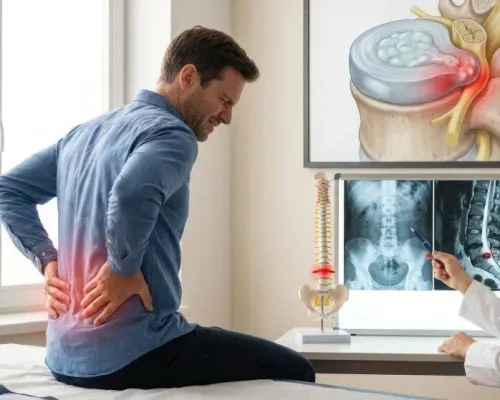
Unlike common back pain, spine tumours often produce symptoms that gradually worsen.
These may include:
- Persistent back pain
- Night pain
- Pain that does not improve with rest
- Weakness in the limbs
- Difficulty walking
- Loss of sensation
- Problems with bladder or bowel control
These symptoms do not always indicate a tumour but should be evaluated promptly.
How Are Spine Tumours Diagnosed?
Diagnosis generally involves several investigations:
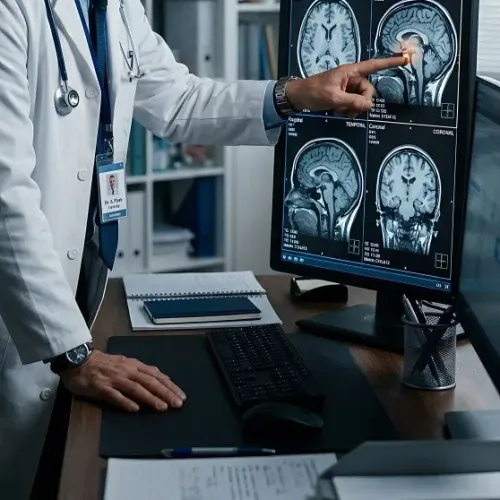
- MRI of the spine
- CT scan
- Neurological examination
- Blood investigations
- Biopsy in selected cases
A detailed assessment helps determine whether surgery, radiation therapy, chemotherapy, or observation is the most appropriate course of action.
Is Surgery Always Necessary?
Not every spine tumour requires immediate surgery.
Treatment depends on:
- Tumour size
- Growth pattern
- Compression of the spinal cord
- Patient's neurological condition
- Overall health
Some benign tumours may simply be monitored, while others require surgical removal to prevent permanent nerve damage.
Modern Spine Tumour Surgery
Advances in neurosurgery have made complex spinal procedures safer and more precise.
Depending on the case, surgery may involve:
- Microsurgical tumour removal
- Minimally invasive approaches
- Spinal stabilization
- Instrumentation for structural support
The primary goals are to remove the tumour where safely possible, preserve neurological function, and improve quality of life.
Importance of Multidisciplinary Care
Patients often benefit from coordinated care involving:
- Neurosurgeons
- Oncologists
- Radiologists
- Physiotherapists
- Pain management specialists
This collaborative approach ensures treatment is tailored to each individual.
Specialized Spine Care in Jaipur
Jaipur has become a preferred destination for advanced spinal care in Rajasthan due to the availability of experienced specialists and modern medical technology.
Dr. Deepak Bariya evaluates patients with suspected spine tumours through detailed neurological assessment and imaging before recommending evidence-based treatment options. Each case is managed according to the tumour's characteristics and the patient's clinical condition.
Long-Term Follow-Up Is Essential
Treatment does not end after surgery. Patients often require:
- Periodic MRI scans
- Neurological evaluations
- Physiotherapy
- Rehabilitation
- Monitoring for recurrence
Early diagnosis and timely treatment remain the key to preserving mobility and maintaining long-term neurological health.
Keywords