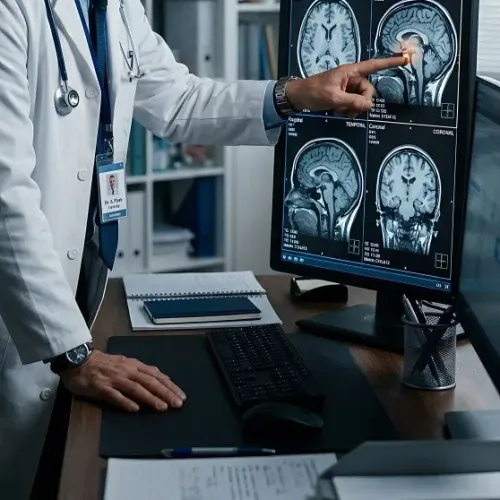
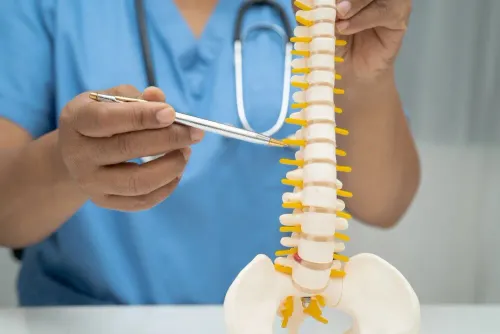
Road accidents, falls from height, sports injuries, and workplace incidents can result in severe trauma affecting the brain and spine. In these situations, timely medical intervention can make a significant difference in preserving neurological function and improving recovery.
If you are looking for the best trauma surgeon in Jaipur, understanding when emergency surgical care is required can help you respond quickly during a medical emergency.
What Is Trauma Surgery in Neurosciences?
Trauma surgery involving the brain and spine focuses on treating injuries that affect the central nervous system. These injuries may include:
- Head injuries
- Skull fractures
- Brain bleeding
- Spine fractures
- Spinal cord injuries
- Nerve compression following trauma
The goal is to stabilize the patient, prevent further damage, and restore neurological function whenever possible.
Common Causes of Serious Trauma
Traumatic injuries can occur in people of all age groups. Some of the most frequent causes include:
- Road traffic accidents
- Motorcycle collisions
- Falls in elderly individuals
- Sports-related injuries
- Industrial accidents
- Construction site incidents
Prompt transportation to a well-equipped hospital is essential after any major injury involving the head or spine.
Warning Signs That Require Immediate Medical Attention
Emergency evaluation should never be delayed if someone experiences:
- Loss of consciousness
- Severe headache after an injury
- Repeated vomiting
- Confusion or altered behavior
- Weakness in the arms or legs
- Neck pain after trauma
- Difficulty speaking
- Loss of bladder or bowel control
- Seizures following a head injury
These symptoms may indicate serious brain or spinal damage requiring urgent intervention.
How Trauma Is Evaluated
Emergency teams usually perform rapid clinical assessment followed by imaging such as:
- CT Scan of the brain
- MRI when appropriate
- X-rays for spinal injuries
- Neurological examination
These investigations help determine whether emergency surgery is necessary or if non-operative management is appropriate.
Treatment Depends on the Injury
Not every trauma patient requires surgery. Depending on the diagnosis, treatment may involve:
- Observation in intensive care
- Medication to reduce brain swelling
- Spine immobilization
- Fracture stabilization
- Emergency neurosurgery
- Rehabilitation and physiotherapy
Each treatment plan is individualized based on the severity of injury and the patient's neurological condition.
Trauma Care in Jaipur
Jaipur serves as a major referral center for trauma care across Rajasthan. Advanced emergency departments, imaging facilities, and neurosurgical services enable timely diagnosis and treatment for critically injured patients.
Dr. Deepak Bariya evaluates patients with traumatic brain and spine injuries using a systematic approach that prioritizes patient safety, neurological preservation, and evidence-based surgical decision-making.
Recovery Continues After Hospital Discharge
Recovery from major trauma often involves:
- Physiotherapy
- Occupational therapy
- Neurological rehabilitation
- Regular follow-up imaging
- Lifestyle modifications
Early treatment combined with structured rehabilitation can significantly improve long-term recovery and quality of life.
Keywords