Surgery is not decided by an MRI phrase such as “slip disc” or by back pain alone. The decision depends on nerve-related symptoms, neurological examination, scan findings, response to non-surgical care, and whether weakness or emergency compression is present; by the end, you will know which findings require urgent assessment and which support planned surgery.
Key takeaways
- Seek urgent assessment for bladder or bowel changes, saddle numbness, or worsening leg weakness.
- Confirm that MRI findings match your pain, numbness, weakness, and examination results.
- Discuss non-surgical treatment for about six to twelve weeks when no emergency signs exist.
- Ask why discectomy or fusion is recommended and what recovery will involve.
When does a slipped disc require urgent surgical assessment?
New bladder or bowel dysfunction, saddle numbness, or rapidly worsening leg weakness requires immediate medical assessment, not routine physiotherapy or another outpatient appointment. These symptoms can indicate severe nerve compression or cauda equina syndrome, which needs urgent examination and treatment planning.
Seek emergency assessment if you develop:
- New inability to control urine or stool, difficulty starting urination, or loss of awareness that your bladder is full.
- Numbness around the inner thighs, genitals, buttocks, or the area that would touch a saddle.
- Rapidly worsening leg weakness, a new foot drop, repeated tripping, or difficulty walking.
- Weakness affecting both legs or a sudden decline in balance and mobility.
Severe sciatica that remains stable is different. Burning or electric leg pain, tingling, or numbness can be extremely painful without requiring emergency surgery when your strength, bladder function, bowel function, and walking remain unchanged. Arrange prompt specialist assessment if the pain is disabling or your symptoms are progressing.
Do not wait to complete a usual six-week trial of medicines, activity modification, physiotherapy, and other non-surgical care when muscle power is declining. Progressive weakness can cause lasting nerve dysfunction, so expedited assessment is justified even when pain is modest.
An MRI report labelled “slip disc” does not decide urgency by itself; examination must match the scan’s level and side to your symptoms.
How do doctors confirm that a herniated disc is causing the symptoms?
An MRI report alone cannot establish that surgery is needed. Slip disc diagnosis requires a match between the scan, nerve-root symptoms, and examination; a disc bulge is common even in people without pain.
1. Take a symptom history. Ordinary low-back pain stays mainly in the back. Sciatica travels into one leg, with burning or electric pain, tingling, numbness, or weakness in a recognisable distribution. Record the painful side, likely level, duration, triggers, loss of function, red-flag symptoms, and previous medicines, physiotherapy, activity changes, or injections.
2. Perform a neurological examination. The clinician tests strength in specific leg and foot movements, knee and ankle reflexes, skin sensation, heel-and-toe walking, balance, and gait. Weakness, altered reflexes, or sensory loss can identify the affected nerve and show whether it is worsening.
3. Order lumbar MRI when serious disease is suspected or surgery or another invasive treatment is being considered. Review the lumbar MRI findings against the painful side, symptom distribution, and examination. A protrusion on the opposite side, at another level, or without nerve signs is not proof of nerve-root compression.
The decision rests on concordant evidence. Discectomy is more likely to help persistent, disabling leg pain from confirmed compression than isolated back pain, whose surgical response is less predictable.
How long should you try non-surgical treatment before elective surgery?
For stable sciatica caused by a matching disc compression, about six weeks of non-operative care is a practical point to review elective surgery. It is not a compulsory waiting period. Many people improve without an operation, especially when leg pain and function begin to recover.
A reasonable conservative treatment for slipped disc plan includes:
- Remain active within tolerable limits. Short walks and ordinary movement are preferable to prolonged bed rest, which can increase stiffness and slow recovery.
- Use prescribed pain relief as directed, rather than repeatedly pushing through severe pain or self-medicating with unsuitable drugs.
- Follow structured exercise or physiotherapy for sciatica, with exercises adjusted to your symptoms and neurological findings.
- Make activity modification changes: avoid repeated bending, twisting, heavy lifting, and positions that sharply increase leg pain. Learn to lift with the load close to your body.
- Discuss a selected injection when pain prevents sleep, walking, or participation in rehabilitation. An epidural steroid injection can reduce nerve-root inflammation, but it does not remove the disc fragment.
Waiting stops being useful when disabling radicular leg pain still limits walking, work, or sleep after roughly six weeks, despite these measures, and examination plus MRI show the same nerve compression. Surgery is not justified by back pain alone or an unmatched MRI bulge.
Do not wait six weeks if leg weakness is progressing, foot drop is developing, or bladder, bowel, saddle sensation, or walking problems appear. Seek urgent assessment.
Which operation is used for a herniated disc, and when is fusion considered?
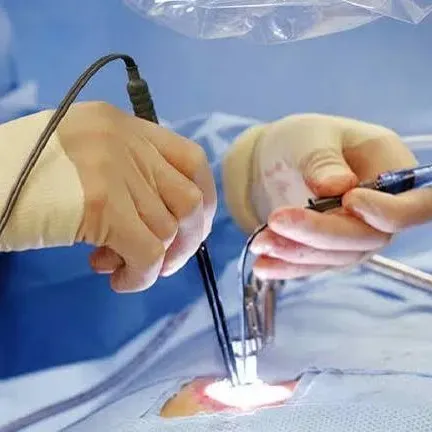
Microdiscectomy is the usual operation for a single-level lumbar herniation causing radiculopathy. It removes the disc fragment pressing on the nerve, so it targets sciatica, numbness, or weakness rather than isolated low-back pain. The MRI must match the painful side, nerve distribution, and examination findings.
| Option | Selection and access | Recovery expectation |
|---|---|---|
| Endoscopic discectomy | A suitable fragment and access route allow treatment through a smaller working corridor; anatomy, level, and surgeon experience influence selection. | Some patients resume activity sooner, but recovery still depends on nerve irritation and muscle weakness. |
| Conventional microdiscectomy | A familiar open approach suits many standard herniations and provides direct access to the compressed nerve. | It offers similarly targeted nerve relief; a larger incision does not automatically mean a poorer result. |
If several structures keep narrowing the nerve, a wider spinal decompression may be necessary instead of removing one fragment. This applies to persistent stenosis, recurrent compression, or narrowing that extends beyond the herniated disc.
Fusion or fixation is not routine for an uncomplicated first-time herniation. Fusion for spinal instability becomes relevant when abnormal movement, deformity, recurrent structural problems, vertebral collapse, or another defined condition changes the goal from removing a fragment to stabilising the spine.
Surgery can produce faster leg-pain relief when compression is severe and persistent, but it does not guarantee relief of long-standing back pain. Recurrent herniation, reoperation, and continued age-related disc degeneration remain possible after surgery.
What should you ask at a Jaipur spine-surgery consultation before deciding?
Use the consultation to decide whether the nerve problem, not the MRI label, justifies an operation. Ask for a physical examination and concordant MRI and symptoms before agreeing to elective treatment.
- Which nerve root and spinal level are compressed, and does the scan match the painful side, numbness, and weakness pattern?
- What are my muscle-power grades, reflex findings, sensation, and gait results?
- What improvement is realistic from medication, physiotherapy, activity changes, or an injection?
- What could happen if treatment is delayed, especially if muscle power is falling?
- Which procedure is proposed, and why is fusion unnecessary or necessary?
- What are the risks of recurrent disc herniation, persistent back pain, infection, nerve injury, and reoperation?
| Option | What to clarify | Decision implication |
|---|---|---|
| Continued non-surgical care | Expected benefit and review date | Suitable when strength is stable and function is improving |
| Injection | Which nerve is targeted and what relief it may provide | A temporary treatment, not a repair of progressive weakness |
| Microdiscectomy or endoscopic discectomy | Why this access suits your level and symptoms | Removes the offending fragment without routinely adding fixation |
| Fusion | What instability, deformity, or recurrent structural problem requires it | Not routine for an uncomplicated first herniation |
A spine surgery consultation in Jaipur with Dr. Deepak Bariya can help when symptoms persist, weakness develops, or you need a second opinion for slipped disc surgery. Bring your MRI images, report, medication list, and answers to these questions before microdiscectomy.
Related services
Endoscopic Spine Surgery( Slip Disc Surgery) What Is Endoscopic Spine Surgery? Endoscopic spine surgery is a minimally invasive procedure performed using a small endoscope—a thin tube with a... View service → |
Headache And Back Ache Minimally Invasive Brain & Spine Surgery ₹500 What Is Minimally Invasive Brain & Spine Surgery? Minimally Invasive Brain & Spine Surgery (MIS) involves performing surgical procedures through very... View service → |
Frequently asked questions
When does a slipped disc require urgent surgical assessment?
New bladder or bowel dysfunction, saddle numbness, or rapidly worsening leg weakness requires immediate assessment for severe nerve compression or cauda equina syndrome.
How do doctors confirm that a herniated disc is causing symptoms?
Doctors compare your pain pattern, sensation, strength, reflexes, and walking with MRI findings. Surgery is considered when the scan matches the clinical symptoms.
How long should you try non-surgical treatment before elective surgery?
When there are no emergency signs, doctors commonly consider several weeks of structured non-surgical care, often about six to twelve weeks, before elective surgery.
Which operation is used for a herniated disc, and when is fusion considered?
A discectomy or microdiscectomy removes the disc material pressing on the nerve. Fusion is considered when instability, deformity, severe degeneration, or another structural problem makes decompression alone unsuitable.
What should you ask at a Jaipur spine-surgery consultation?
Ask which nerve is compressed, whether your MRI explains your symptoms, what alternatives exist, why surgery is recommended, expected recovery time, risks, and the surgeon’s plan if symptoms persist.
Related service
Spine problems can severely affect your mobility, posture, and overall quality of life. View service → |