A pituitary tumour can disturb hormone production, threaten vision, or do both, so the right treatment depends on its type, size, location, and biological activity. By the end, you will know which tests confirm the diagnosis, when monitoring or medication is reasonable, what surgery involves, and what to verify before choosing care in Jaipur.
Key takeaways
- Vision changes need prompt assessment because tumours can press on the optic chiasm.
- Blood tests and MRI help identify hormone effects and tumour position.
- Observation, medication, and surgery each suit different tumour features.
- Compare surgeon expertise, endoscopic facilities, hormone care, and follow-up plans.
How a Pituitary Tumour Affects Hormones and the Brain
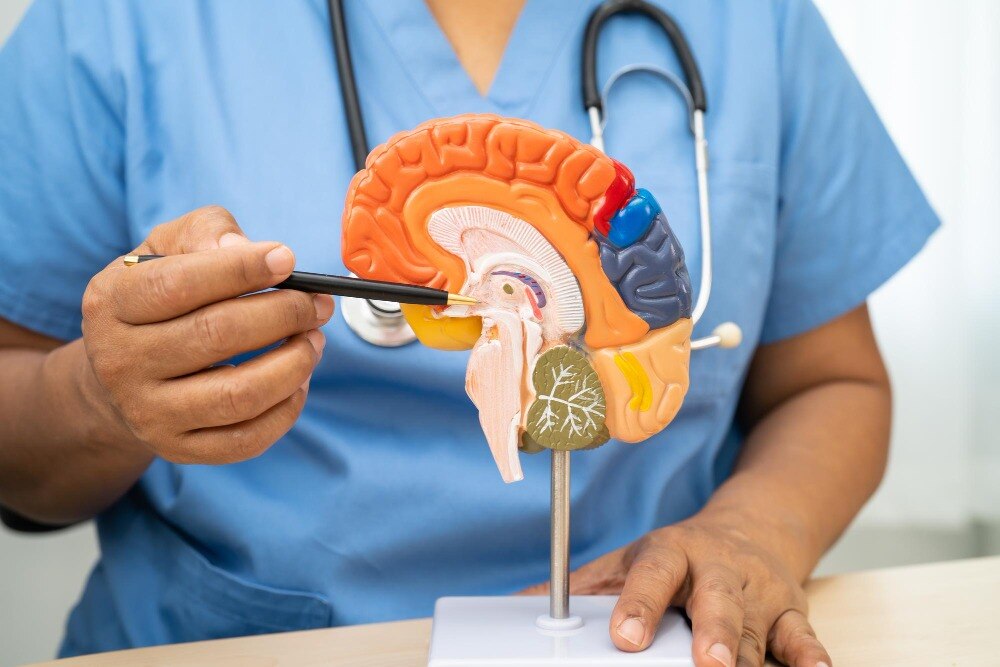
The pituitary gland function is to release hormones that regulate growth, thyroid activity, adrenal stress responses, reproduction, breast-milk production, and water balance. It sits in a small bony space beneath the brain, close to the optic chiasm, where the nerves carrying vision from both eyes cross.
A functioning pituitary tumour makes an excess hormone, while a non-functioning pituitary adenoma does not release a clinically significant excess. Either type can enlarge, compress the normal gland, and reduce hormone production. That is why one tumour can cause both hormonal symptoms and neurological problems.
- Prolactinoma: Prolactinoma symptoms include irregular periods, milk discharge unrelated to breastfeeding, reduced libido, and erectile dysfunction.
- Growth-hormone-secreting adenoma: Excess growth hormone can enlarge the hands, feet, jaw, nose, or facial features, a condition called acromegaly.
- ACTH-secreting adenoma: Excess ACTH drives cortisol production and can cause Cushing disease, with weight gain around the trunk, easy bruising, muscle weakness, high blood pressure, and high blood sugar.
- Non-functioning adenoma: Pressure or damage to normal pituitary tissue can cause fatigue, low libido, menstrual changes, erectile dysfunction, thirst, or frequent urination.
As the mass grows, it can press on the optic chiasm and cause loss of peripheral vision. Headache, double vision, or eye-movement problems suggest pressure on nearby nerves or structures, not simply a hormone imbalance.
Which Symptoms Point to a Pituitary Tumour and How Is It Confirmed?
Progressive loss of side vision, worsening headache, double vision, drooping eyelid, or reduced visual sharpness requires prompt assessment. Other pituitary tumour symptoms include new milk discharge, menstrual changes, erectile dysfunction, enlarged hands or facial features, easy bruising, severe fatigue, unusual thirst, and frequent urination. Sudden severe headache with vomiting or visual loss is an emergency.
| Pattern | Tests | What the results clarify |
|---|---|---|
| Hormone excess | Pituitary hormone tests, including prolactin, IGF-1, ACTH, cortisol, and suppression testing when indicated | Confirms prolactinoma, growth-hormone excess, or ACTH-related Cushing disease |
| Hormone deficiency | 8 a.m. cortisol, free T4 with TSH, sodium, and other pituitary hormone levels; stimulation tests when needed | Identifies adrenal, thyroid, reproductive, or water-balance failure |
| Pressure on visual pathways | Pituitary MRI with contrast plus formal automated visual-field testing | Shows tumour size, growth, chiasm or optic-nerve contact, and measurable field loss |
A dedicated pituitary MRI provides finer detail than a general brain scan, including whether the mass touches the optic chiasm or extends into nearby structures. A visual-field test can detect peripheral loss before you notice objects disappearing from everyday view.
Normal vision does not exclude hormone activity, so imaging and pituitary hormone tests are interpreted together.
When Is Observation, Medication, or Surgery the Right Choice?
Observation is appropriate when a small, non-functioning tumour is not pressing on the optic apparatus, causing visual loss, or producing significant hormone effects. Doctors then compare serial pituitary MRI scans, formal visual-field tests, and endocrine results; growth or new pressure symptoms changes the plan.
| Option | What doctors assess | When it applies |
|---|---|---|
| Observation | Tumour size, growth, vision, and hormone results | An incidental, stable lesion without visual or major endocrine effects |
| Medication | Hormone production, response, and side effects | Prolactinoma medication is usually first-line; surgery is considered if it fails, is not tolerated, or does not control tumour effects |
| Surgery | Vision, tumour anatomy, hormone activity, and safe removal | Visual-field loss, optic compression, troublesome hormone excess, growth, or selected symptomatic tumours |
The main pituitary tumour surgery indications are visual deterioration, optic chiasm compression, ophthalmoplegia, significant growth, or hormone-producing disease that medication cannot control. “Benign” does not make pressure on the optic pathways safe.
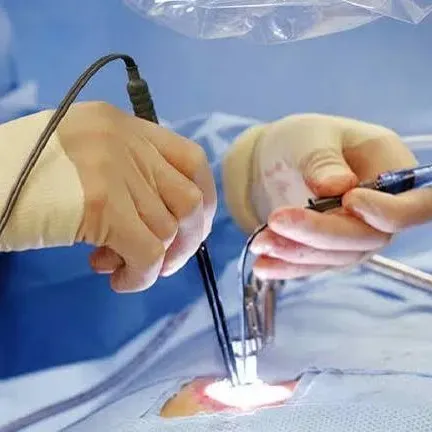
For most operable adenomas, endoscopic endonasal transsphenoidal surgery reaches the sella through the nostril and sphenoid sinus instead of opening the skull. It is an access route, not a promise of complete removal or zero risk.
MRI review must show whether the tumour touches the carotid arteries, optic structures, or cavernous sinus. Cavernous sinus invasion can make complete removal unsafe or unlikely, so doctors may recommend planned residual-tumour monitoring, medication, radiation, or staged treatment rather than aggressive surgery.
What Happens During Recovery and Long-Term Follow-Up?
The first days after surgery focus on sodium, urine output, postoperative cortisol, vision, and the surgical site. Pituitary surgery complications include bleeding, visual deterioration, sinus or nasal problems, meningitis, new hormone deficiencies, and a cerebrospinal-fluid leak. A leak can cause clear, watery drainage from the nose and needs prompt review.
Report these warning signs urgently:
- Severe or worsening headache, repeated vomiting, confusion, fainting, or a new loss of vision.
- Clear nasal fluid, especially when it increases on bending forward, because it can indicate a cerebrospinal-fluid leak.
- Fever, neck stiffness, light sensitivity, or worsening drowsiness, which can signal meningitis.
- Extreme thirst with large volumes of pale urine, which suggests diabetes insipidus. This condition can be temporary or permanent.
- Fatigue, nausea, vomiting, dizziness, or low blood pressure, which can indicate dangerously low cortisol rather than ordinary recovery.
Hormone results do not always normalise immediately. Your endocrinologist may repeat cortisol, sodium, thyroid, prolactin, growth-hormone or IGF-1, and sex-hormone tests over weeks or months. Some patients need long-term hydrocortisone, thyroid hormone, sex-hormone, or antidiuretic-hormone replacement.
Follow-up usually includes a dedicated contrast-enhanced pituitary MRI, formal visual-field testing when the optic chiasm was involved, and nasal examination after the endoscopic route. Keep every appointment: residual tumour, delayed hormone failure, or diabetes insipidus can appear after discharge.
How to Compare Pituitary Surgery Care in Jaipur
Before consenting to pituitary surgery in Jaipur, verify the team, hospital facilities, proposed route, and full pituitary surgery cost—not just the surgeon’s advertised procedure.
| Check | Ask for specific evidence | Why it matters |
|---|---|---|
| Clinical team | A skull-base neurosurgeon, ENT surgeon for the nasal route, endocrinologist, and ophthalmologist providing formal visual-field testing | Pituitary care crosses surgical, nasal, hormonal, and visual specialties |
| Facilities | Dedicated contrast-enhanced pituitary MRI, pathology review, and monitoring of cortisol, sodium, urine output, and cerebrospinal-fluid leakage | A general brain scan can miss details needed for planning; complications require prompt detection |
| Surgical plan | The tumour type, reason for surgery, endoscopic endonasal transsphenoidal route, expected extent of removal, and alternatives | “Minimally invasive” describes access through the nose, not risk-free or guaranteed complete removal |
| Total cost | Written inclusion of surgeon and anaesthesia fees, MRI, pathology, high-dependency or intensive-care monitoring, hormone tests, nasal reviews, leak treatment, and later endocrine medicines | A low initial quote can exclude important hospital and follow-up costs |
Ask how the centre establishes a postoperative MRI baseline and interprets early changes, since packing, blood, inflammation, and residual tumour can look alike. Confirm the endocrinology follow-up schedule; one scan does not replace hormone and visual assessment.
If you consult Dr. Deepak Bariya, ask him to name the ENT, endocrinology, ophthalmology, pathology, and critical-care arrangements supporting your operation, rather than accepting “endoscopic” as a complete answer.
Related services
Brain tumours are one of the most critical neurological conditions, requiring accurate diagnosis, advanced surgical expertise, and timely treatment. View service → |
Brain Tumour And Hydrocephalus ₹500 What Is Endoscopic Brain Surgery? Endoscopic brain surgery is a minimally invasive procedure performed using an endoscope—a thin, flexible tube... View service → |
Frequently asked questions
How does a pituitary tumour affect hormones and the brain?
A pituitary tumour can disrupt hormones controlling growth, thyroid activity, adrenal responses, reproduction, breast-milk production, and water balance. Its position beneath the brain also places it near the optic chiasm, so growth can affect vision.
Which symptoms point to a pituitary tumour, and how is it confirmed?
Possible symptoms include hormone-related changes and vision problems caused by pressure near the optic chiasm. Doctors confirm the diagnosis using hormone assessment and brain imaging, usually with an MRI.
When is observation, medication, or surgery the right choice?
Observation fits selected tumours that cause no significant symptoms or pressure effects. Medication treats hormone-producing tumours when an effective drug is available. Surgery becomes a consideration when the tumour threatens vision, causes significant pressure, or needs treatment that medication cannot provide.
What should you compare when choosing pituitary surgery care in Jaipur?
Compare the surgeon’s experience with pituitary procedures, access to appropriate imaging and endoscopic facilities, coordination with hormone specialists, vision assessment, and the clarity of the recovery and long-term follow-up plan.