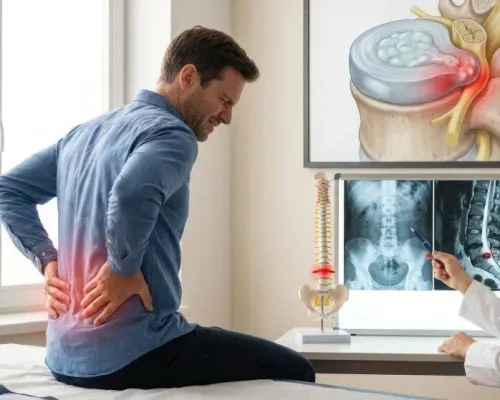
Back pain is extremely common, but persistent pain accompanied by leg symptoms, numbness, weakness, or difficulty walking may require more detailed evaluation. When conservative treatment does not provide adequate relief and imaging identifies a structural problem, consultation with a Minimally Invasive Spine Surgeon may help determine whether a smaller-incision surgical approach is appropriate.
For patients in Jaipur dealing with prolonged spine symptoms, understanding when minimally invasive techniques are useful can make treatment decisions clearer.
What Is Minimally Invasive Spine Surgery?
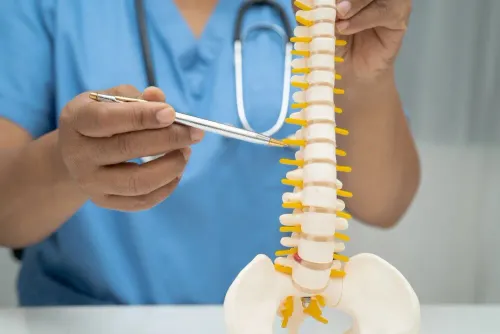
Minimally invasive spine surgery uses specialized instruments and carefully planned surgical access to reach the affected area while limiting unnecessary disruption of surrounding muscles and soft tissues.
Depending on the condition, these techniques may be considered for problems such as:
- Herniated or slipped discs
- Nerve compression
- Lumbar spinal stenosis
- Certain cervical spine conditions
- Selected cases requiring spinal stabilization
- Persistent sciatica caused by nerve compression
Not every spine problem requires surgery, and not every surgical condition is suitable for a minimally invasive approach.
When Should Persistent Back Pain Be Evaluated?
Back pain that improves with rest, activity modification, physiotherapy, or medication may not require surgery. A specialist assessment becomes more important when symptoms continue despite appropriate conservative treatment.
Medical evaluation should also be considered when back pain occurs with:
- Pain travelling into the leg
- Persistent tingling or numbness
- Progressive weakness
- Reduced walking tolerance
- Difficulty standing for normal activities
- Recurring episodes that interfere with daily life
Changes in bladder or bowel control, severe new weakness, or numbness around the groin region require urgent medical assessment.
Why Diagnosis Comes Before Surgery
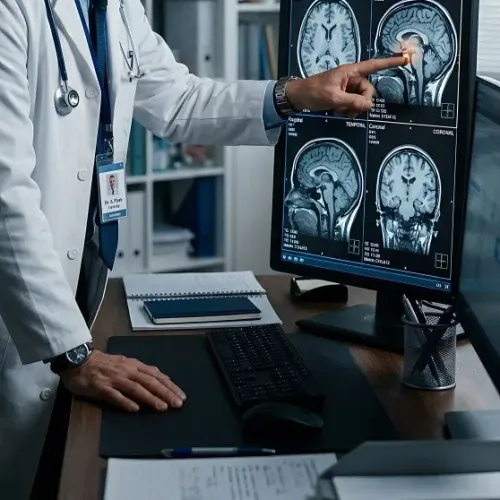
A spine surgeon does not decide treatment based on an MRI image alone. Symptoms, neurological examination, imaging findings, duration of the problem, previous treatment, and overall health all influence the decision.
For example, disc changes may appear on MRI scans even in people who have little or no pain. Surgery is generally considered when clinical symptoms correspond with a structural abnormality that can reasonably be treated surgically.
This distinction helps prevent unnecessary procedures.
Potential Advantages of Smaller Surgical Approaches
When clinically suitable, minimally invasive techniques are designed to reduce disruption to surrounding tissues. Depending on the procedure and individual patient, potential advantages can include smaller incisions, reduced muscle disturbance, and earlier mobilisation.
However, the term “minimally invasive” should not automatically be interpreted as a simpler operation or guaranteed faster recovery.
The underlying neurological condition remains the most important consideration.
Questions Worth Asking During Consultation
Patients can make better decisions by asking:
- What exactly is causing my symptoms?
- Can the condition improve without surgery?
- What happens if treatment is delayed?
- Is minimally invasive surgery appropriate for my condition?
- What are the risks and expected recovery?
- What symptoms should prompt urgent medical attention?
A clear discussion of these questions is more useful than choosing a procedure based only on its name.
Making an Informed Spine Care Decision
People seeking spine treatment in Jaipur may benefit from a neurological and imaging-based assessment before assuming that persistent pain automatically requires an operation.
Dr. Deepak Bariya evaluates spine conditions by considering symptoms, neurological findings, imaging, previous treatment, and the effect of the condition on everyday function. When surgery is appropriate, the surgical approach can then be selected according to the specific pathology.
The purpose of minimally invasive spine care is not simply to make a smaller incision. It is to address the underlying problem with an approach suited to the patient's neurological condition and individual anatomy.
Keywords