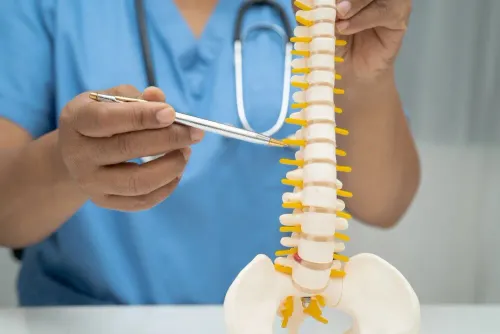
Spinal nerves need adequate space to function normally. When that space becomes narrowed by a disc problem, degenerative changes, thickened tissues, or other structural abnormalities, patients can develop pain, numbness, weakness, or difficulty walking.
Spine Decompression Surgery is designed to relieve pressure on affected neural structures. However, decompression is not required for every patient whose MRI shows spinal narrowing.
For people in Chomu experiencing persistent neurological symptoms, understanding how specialists decide when decompression is appropriate can help set realistic expectations.
What Causes Spinal Nerve Compression?
Compression can develop through several mechanisms.
Common examples include:
- Herniated discs
- Spinal stenosis
- Bone overgrowth associated with degeneration
- Thickening of surrounding tissues
- Certain spinal injuries
- Structural changes that reduce space around nerves
Symptoms depend on the location and severity of compression.
Lower-back compression may produce leg pain, tingling, numbness, or weakness. Cervical compression can affect the arms and, when the spinal cord is involved, may also influence balance, walking, or hand coordination.
When Is Conservative Treatment Appropriate?
If symptoms are mild and neurological function remains stable, non-operative treatment may be considered first.
Management can involve medication, physiotherapy, activity modification, rehabilitation, and observation according to the diagnosis.
Improvement during conservative treatment may mean surgery can be avoided.
The important exception is when neurological function is deteriorating or another urgent clinical concern is present.
Signs That Decompression May Need Consideration
A specialist may discuss surgery when nerve compression is clearly demonstrated and symptoms remain significant.
Factors can include:
- Persistent radiating pain despite appropriate treatment
- Progressive muscle weakness
- Significant walking limitation
- Increasing numbness
- Spinal cord compression producing neurological changes
- Severe compression associated with urgent neurological symptoms
The presence of an abnormal MRI alone is generally not enough to determine whether surgery is necessary.
What Does Decompression Actually Do?
The objective is to create sufficient space around the compressed nerve or spinal cord.
The exact procedure depends on what is causing the pressure. A surgeon may need to remove part of a disc, bone, ligament, or another compressive structure.
Some patients require decompression alone. Others may need additional stabilization if instability is present or expected.
This distinction is important because “spine decompression” describes a treatment objective rather than one identical operation for every patient.
Recovery Depends on More Than the Procedure
Patients often ask how quickly symptoms will disappear after surgery.
Recovery varies.
Pain caused by nerve irritation may improve differently from longstanding numbness or weakness. The duration and severity of compression can influence neurological recovery.
Age, general health, the type of surgery, rehabilitation, and other medical conditions can also affect progress.
Discuss the Expected Outcome Before Surgery
Before agreeing to decompression, patients should understand which symptoms the operation is expected to improve.
Dr. Deepak Bariya evaluates patients seeking neurosurgical spine care in Chomu by correlating neurological examination with imaging and symptom history.
A useful surgical discussion should explain the site of compression, why it is producing symptoms, what alternatives remain, and what the proposed procedure is intended to achieve.
Spine decompression can be valuable when appropriately selected, but the central question is not simply whether narrowing exists. The decision depends on whether that narrowing is causing clinically significant neurological compression that can reasonably be improved through surgery.
Keywords